Orthodontic treatment
Invisalign Speclialist in Auckland
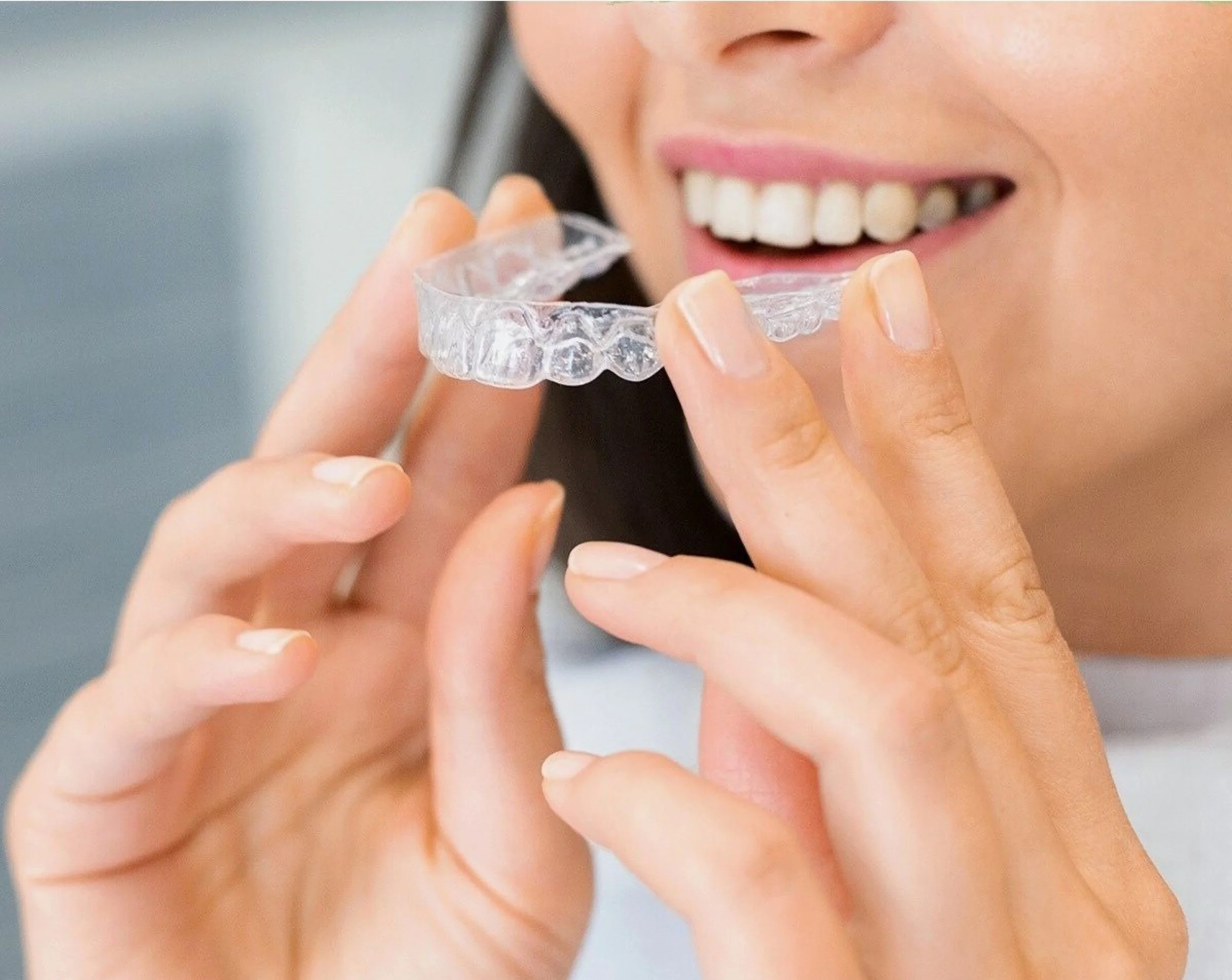

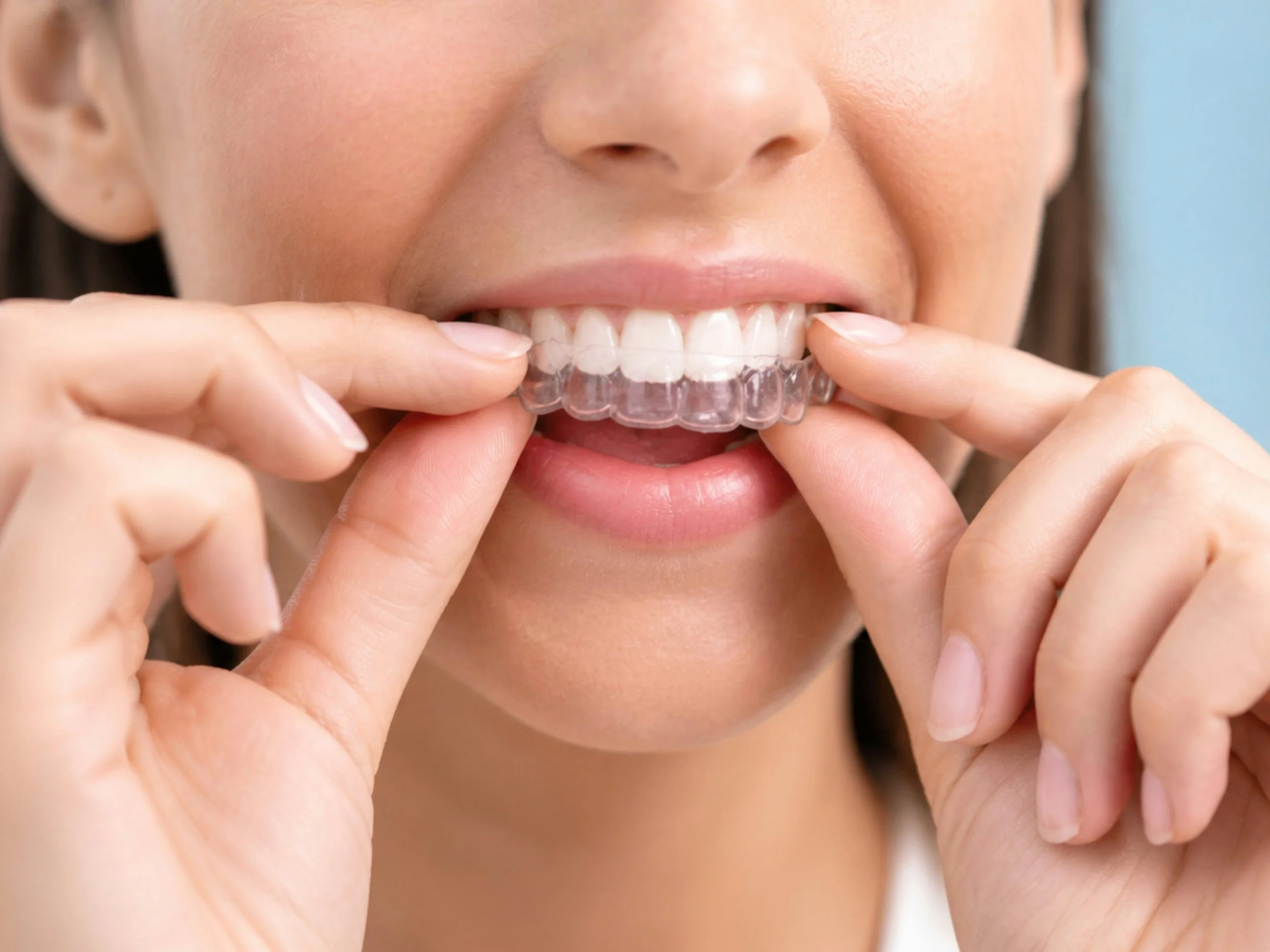
Catherine Porter has over 20 years of experience straightening teeth in Remuera and wider Auckland. A registered specialist and Vice President of the New Zealand Association of Orthodontists, she plans and monitors every Invisalign case herself.

Smile with Confidence
Clear aligners move teeth gradually, a fraction of a millimetre at a time. Every case here is planned digitally by Catherine before your first aligner is made.
Invisalign at a glance
-
Teens and adults
-
14 to 18 months
-
At least 22 hours
-
Weekly or fortnightly
-
$xxxx
What Invisalign can treat
Aligners handle mild to moderate problems very well. Severe crowding, large rotations and significant bite correction are still better served by fixed braces.
Crowding
Overlapping teeth where there is not quite enough room in the arch. The most common reason people ask about aligners.
Relapse after braces
Teeth that have drifted since childhood treatment. Often a short and simple course.
Mild crossbite
Some crossbites respond well to aligners. Others need fixed braces, and Catherine will tell you which yours is.
Spacing
Gaps between the teeth, whether from small teeth or a wide jaw. Closed steadily and then held with a retainer.
Pre-restorative work
Moving teeth into position before your dentist places a crown, bridge or implant, planned alongside them.
Mild overjet
Upper front teeth sitting ahead of the lower. Aligners handle mild cases well, with attachments and elastics where needed.
Front teeth only
Limited treatment improving the appearance of the front teeth without correcting the bite. Can be as short as six months.
Deep bite
Upper teeth covering too much of the lower. Often treatable with aligners, depending on how much correction is needed.
Why people choose Invisalign aligners
-
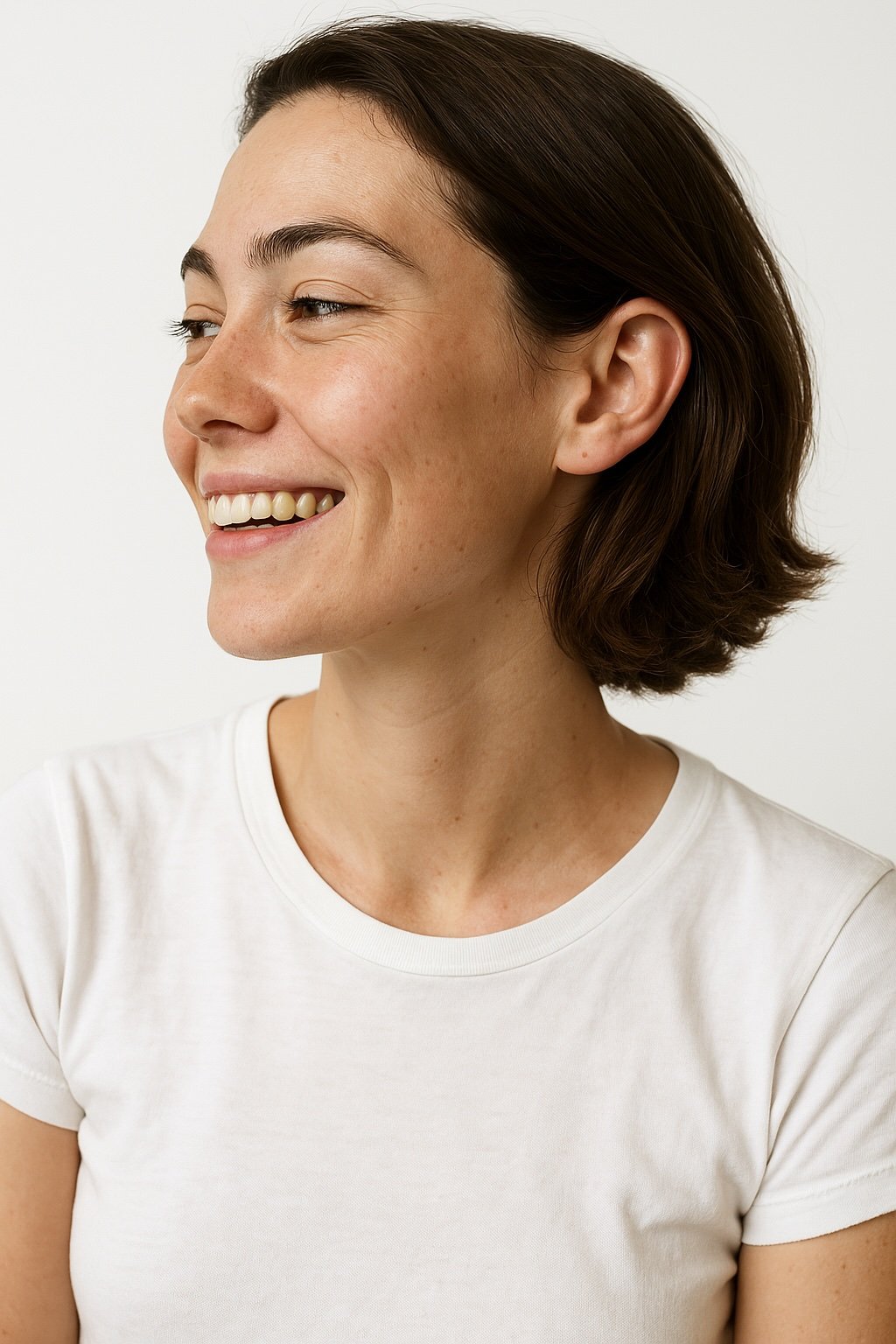
Made for you only
Each aligner is designed for your mouth and fits snugly around your own teeth, moving them a fraction of a millimetre at a time in a planned sequence.
-
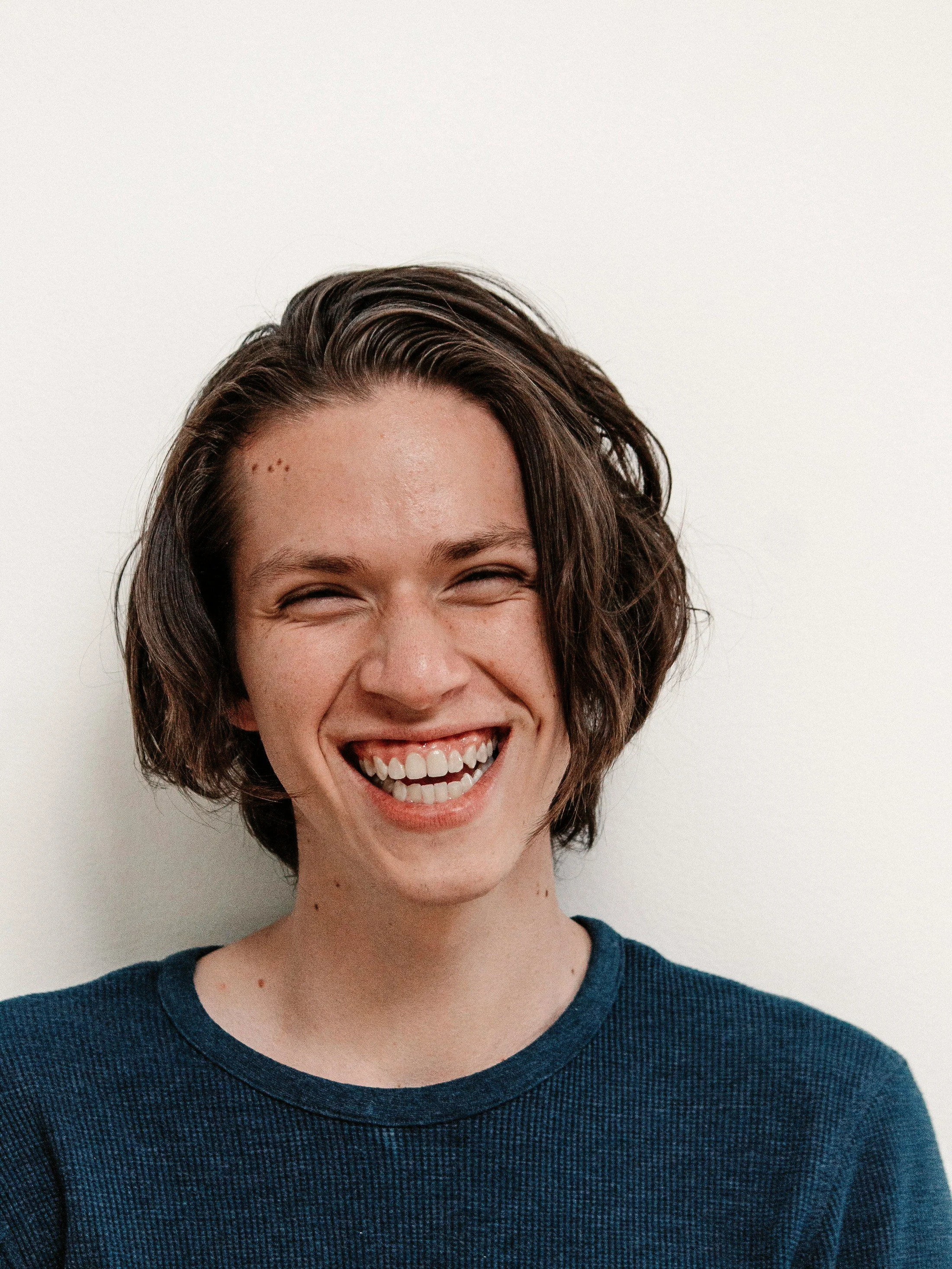
Virtually invisible
Most people will not notice you are having orthodontic treatment at all. Anyone looking closely will see them, but nobody looks that closely.
-

Out to eat and clean
Take them out to eat, drink, brush and floss. No food restrictions and no relearning how to clean your teeth, which is the thing most adults ask about first.
-
No nasties
BPA, BPS, latex, epoxy and gluten free. Made from medical grade polymers that have been through extensive biocompatibility testing and FDA approved since 1998 for long term use in the body.
Invisalign the product. The plan is the treatment.
Invisalign software will produce a treatment sequence for almost any scan you feed it. Whether that sequence corrects your bite, or simply tips your front teeth into line and leaves the underlying problem where it was, depends entirely on who is reviewing it.
Catherine plans every case herself, adjusts what the software proposes, and monitors it as your teeth respond. That is the difference between a specialist orthodontist and a provider fitting a product.
Invisalign or braces
Aligners are not faster as a rule. They often finish sooner because the cases suited to them are the simpler ones.
Braces are the better answer when
Invisalign may suit you better when
How Invisalign treatment works
You will have the full plan, the timeline and the cost in writing before anything is fitted.
-
Assessment and scan
Catherine examines your teeth and bite and tells you honestly whether aligners suit your case, or whether braces would serve you better.
-

Records and scan
A full set of records and a digital scan, which is what your customised aligners are made from. No impression trays.
-
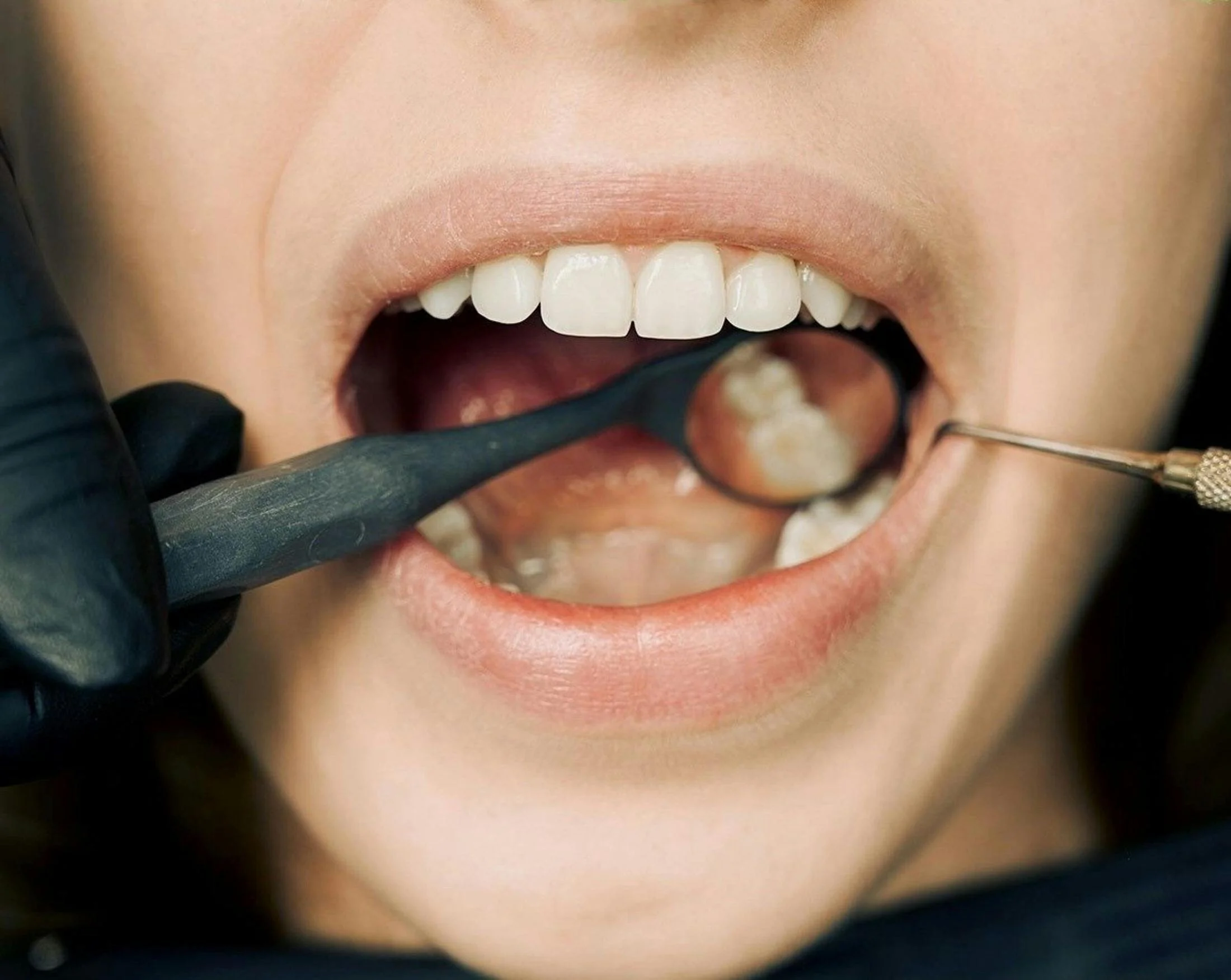
Fitting
Catherine plans the tooth movements and shows you the projected result. Your aligners are manufactured and fitted, usually around six weeks after your first visit.
-
Wear, change, review
Change aligners weekly or fortnightly as directed, with review appointments to check the teeth are tracking as planned. Retainers at the end.

Living with Invisalign Aligners
Nothing here is a surprise if you know it in advance, which is why we go through all of it before you commit.
Twenty two hours a day
Aligners need to be in for at least 22 hours, including while you sleep. The two hours left over covers eating, drinking, brushing and flossing. Wear them less and the teeth lag behind the plan, which extends your finish date
Does it hurt?
It takes a couple of days to get used to them. They feel strange at first and your tongue will wonder what is happening. Expect some tightness for a few days, which passes. We will not pretend otherwise: you may get the odd ulcer, and your tongue gets a workout. Panadol handles it, and call us if you are worried.
Eating and drinking
Carry on eating exactly as you do now. Take the aligners out whenever you are about to eat or drink anything. One tip: never drink hot water with them in, unless you would like them shrunk.
Chewies
Small soft plastic cylinders, about 2.5cm long, like a very small pool noodle. After putting an aligner in, bite down on a chewie for several minutes. The repeated biting helps the aligner seat properly against your teeth, which matters more than most people realise.
If you lose or break one
Call us immediately and tell us which aligner you were wearing. We will advise what to do next. You may not need to come in at all, but do call rather than guessing or skipping ahead to the next tray.
We hold your aligners
We keep your aligners here and give you enough to get through to the next visit. If you would rather take the lot, they become your responsibility, and if they are lost or the dog decides they look like a snack, there is a charge to replace them.
-

"Catherine Porter is amazing. I had braces from her when I was younger, she fixed my teeth and I always get compliments on them! I’ve been going back for checkups and she’s always so lovely and understanding. I highly recommend her and her practice!"
ERIN
-

"Catherine Porter did a great job for my 14 years old son....just a few weeks ago took the braces off and now we can see his very beautiful teeth and smile. Many thanks Catherine and her lovely team."
NAIEREH
-

"Best orthodontist in the town, Dr Catherine and her team are caring and professional. I am very happy with the result!"
JOYCE
-

"Outstanding. Had a very nervous 11 year old with complex dental needs. Having had a difficult experience at another orthadontist, Catherine's approach was amazing. My daughter had her braces fixed with no dramas! Highly recommend."
EMMA
What Invisalign costs
Every fee is all inclusive. It covers your aligners, every review appointment, any refinement trays needed at the end, your retainers and aftercare. There is nothing added later.
-
$270
-
Average Price $xxxx
-
Interest free, across treatment
Your exact fee depends on the complexity of your case and you will have it in writing before anything begins.
Some health insurance policies include a one-off orthodontic benefit, more often for children than adults. Cover varies between providers, so ask your insurer about orthodontic benefits specifically before you start.


-
Usually about six weeks from when we first see you. You will need to visit the practice a few times in between: to talk your treatment through with Catherine, to have records taken so your customised aligners can be manufactured, and then to have them fitted.
-
It varies from patient to patient and depends on your malocclusion, which is the way your teeth sit when your jaw is closed. On average treatment runs fourteen to eighteen months, though some people have straight teeth in as little as six months. Catherine will give you a range at your appointment.
-
At least twenty two hours a day, yes, including while you sleep. The two hours not accounted for allows for eating, drinking, brushing and flossing.
Stick to that as closely as you can. Any less and there will be a lag in your treatment, which extends the finish time.
-
Usually weekly or fortnightly. Catherine will tell you which applies to your plan, and it can change partway through depending on how the teeth are responding.
-
It depends on how long your treatment is planned for, and on whether anything additional is needed along the way, such as teeth not tracking as expected, aligners not being worn enough, or attachments being added to your teeth.
-
Chewies help seat your aligners. They are soft plastic cylinders about an inch, or 2.5cm, long. Think of a pool noodle but much smaller.
After you put an aligner in, bite down on a chewie for several minutes. That repeated biting helps the aligner conform properly to the shape of your teeth, which is what keeps treatment on track.
-
Call us immediately and let us know which aligner you were wearing, and we will advise what to do next. You may not need to come into the practice, but make sure you call rather than guessing or moving on to the next tray yourself.
-
It takes a couple of days to get used to wearing aligners. They may feel a little strange at first and your tongue may wonder what is happening. You will feel a small amount of tightness for a few days, and that will disappear.
We will not pretend otherwise: you may get the odd ulcer, and you may give your tongue a workout while you figure out the new feeling. If you feel any pain, Panadol should do the trick, but please call us if you have any concerns.
-
No, and this is the best thing about aligners. Carry on eating exactly what you usually do.
One tip: do not drink hot water with your aligners in, unless you feel they need shrinking. And do not eat anything with them in. Take them out whenever you are about to eat or drink.
-
Yes. Retention is exactly the same after aligners as after braces, because teeth drift throughout life regardless of how they were straightened. Most patients have a removable plate and a fixed wire bonded behind the lower front teeth.
-
No. Mail-order aligners are planned from photographs or a home impression, without x-rays, without a clinical examination, and without anyone checking the health of your roots and gums. They can tip front teeth. They cannot correct a bite, and if something goes wrong there is nobody in the room.
Invisalign here is prescribed, planned and monitored by a specialist orthodontist from start to finish.
asked questions
Frequently
Still got a question?
Ask at your assessment, or call the practice on 09522 2767.

Dr Catherine Porter
Catherine is a specialist orthodontist and Vice President of the New Zealand Association of Orthodontists, with twenty-two years of fitting braces and Invisalign for Auckland children, teens and adults.