
Orthodontic treatment
Braces in Auckland
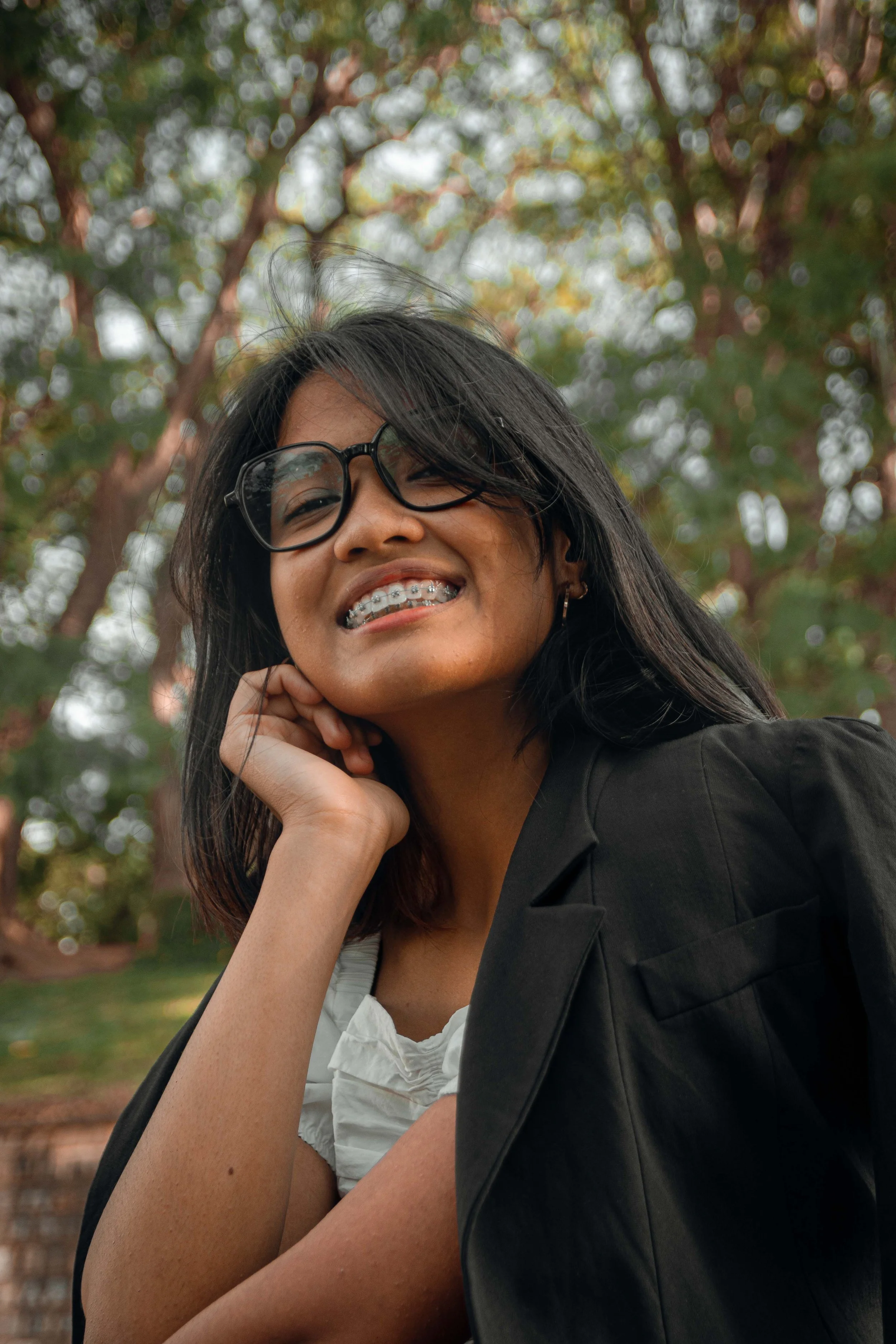

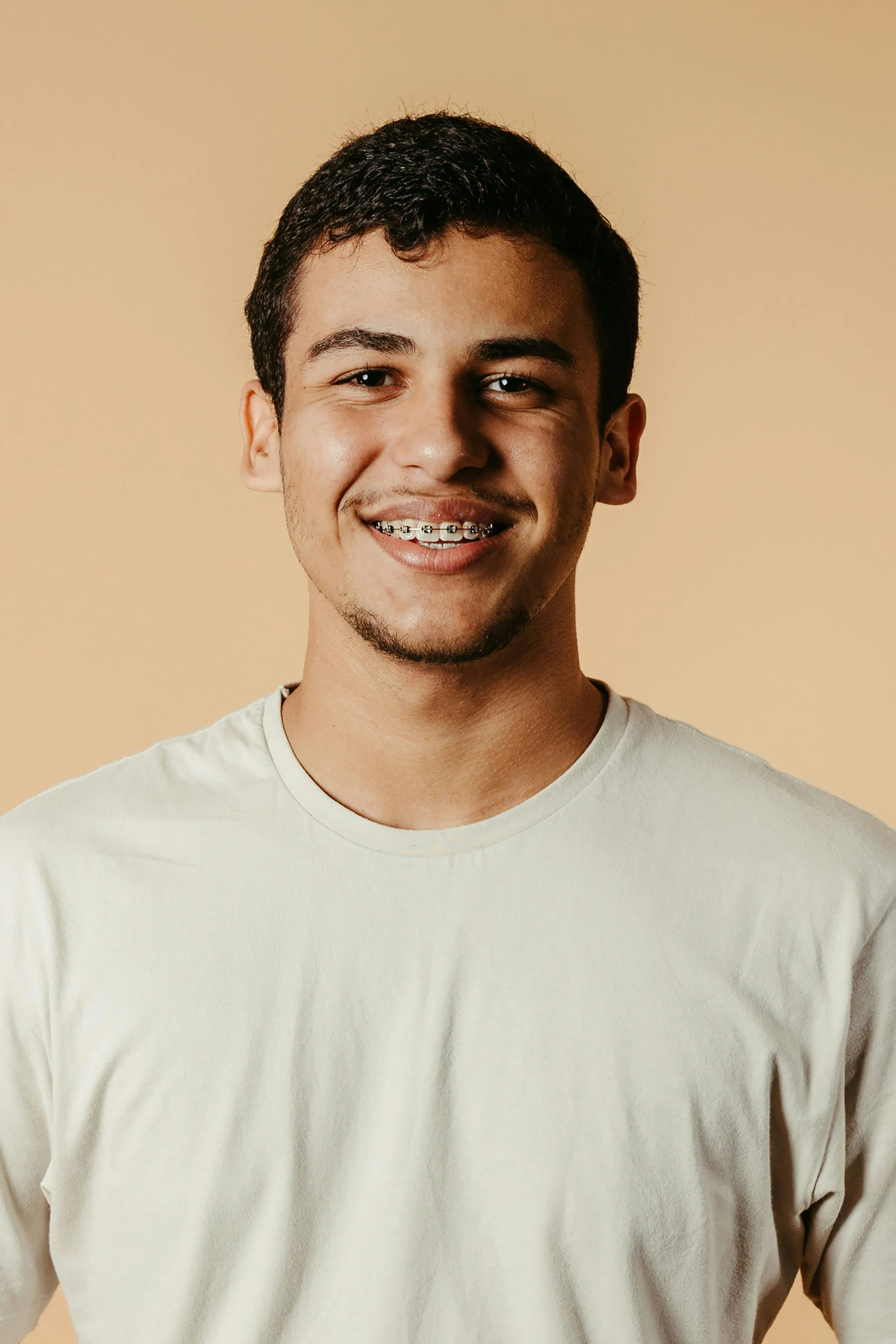
Catherine Porter has over 20+ years of experience with braces in Remuera and wider Auckland. She offers specialist orthodontic treatment to the highest standards, with expert staff, in relaxed surroundings.

Smile with Confidence
Braces remain the most precise way to move teeth. Every case here is planned digitally by Catherine before a single bracket is fitted.
Braces at a glance
-
Children, teens and adults
-
18 to 24 months
-
Every 6 to 10 weeks
-
Metal, ceramic
-
$ 10,000
What braces correct
Teeth that only look aligned can still wear unevenly, crack, or shift back within a few years. Braces move the roots as well as the crowns, which is what makes the result hold.
Open bite
Front teeth not meeting when the back teeth do, so the front teeth cannot bite through food.
Crowding
Teeth overlapping because there is not enough room in the arch. The most common reason people are referred.
Spacing
Gaps between teeth, whether from small teeth, missing teeth or a wide jaw. Closed and then held with a retainer.
Overjet
Upper front teeth sitting well ahead of the lower. Left alone they are far more likely to be chipped or knocked.
Impacted teeth
Adult teeth, usually canines, stuck in the bone and unable to come through. Braces guide them into place.
Crossbite
Upper teeth biting inside the lower. Often causes the jaw to shift sideways to close, and is best corrected early.
Relapse
Teeth that have drifted after childhood treatment, usually because retainers stopped. Very common in adults.
Deep bite
Upper teeth covering too much of the lower. Wears the lower front teeth down and can damage the gum behind them.

Metal Braces
Best for all cases
Stainless steel brackets and wires. The strongest and most versatile option, and the one that handles the hardest cases. Most children and teens choose them, and coloured elastics are free.

Ceramic Braces
Best for adults and older teens
Tooth-coloured brackets that blend against the enamel. They work as well as metal and are the usual choice for adults who want fixed braces without them being the first thing people notice.
Braces or Invisalign
Aligners are not faster as a rule. They often finish sooner because the cases suited to them are the simpler ones.
Braces are the better answer when
Invisalign may suit you better when
How braces treatment works
You will have the full plan, the timeline and the cost in writing before anything is fitted.
-
Assessment and scan
Examination, photographs, imaging and a digital scan. No impression trays. Around forty five minutes.
-

Planning
Catherine moves your teeth on screen first and shows you the projected finish. You agree the plan before it starts.
-
Fitting
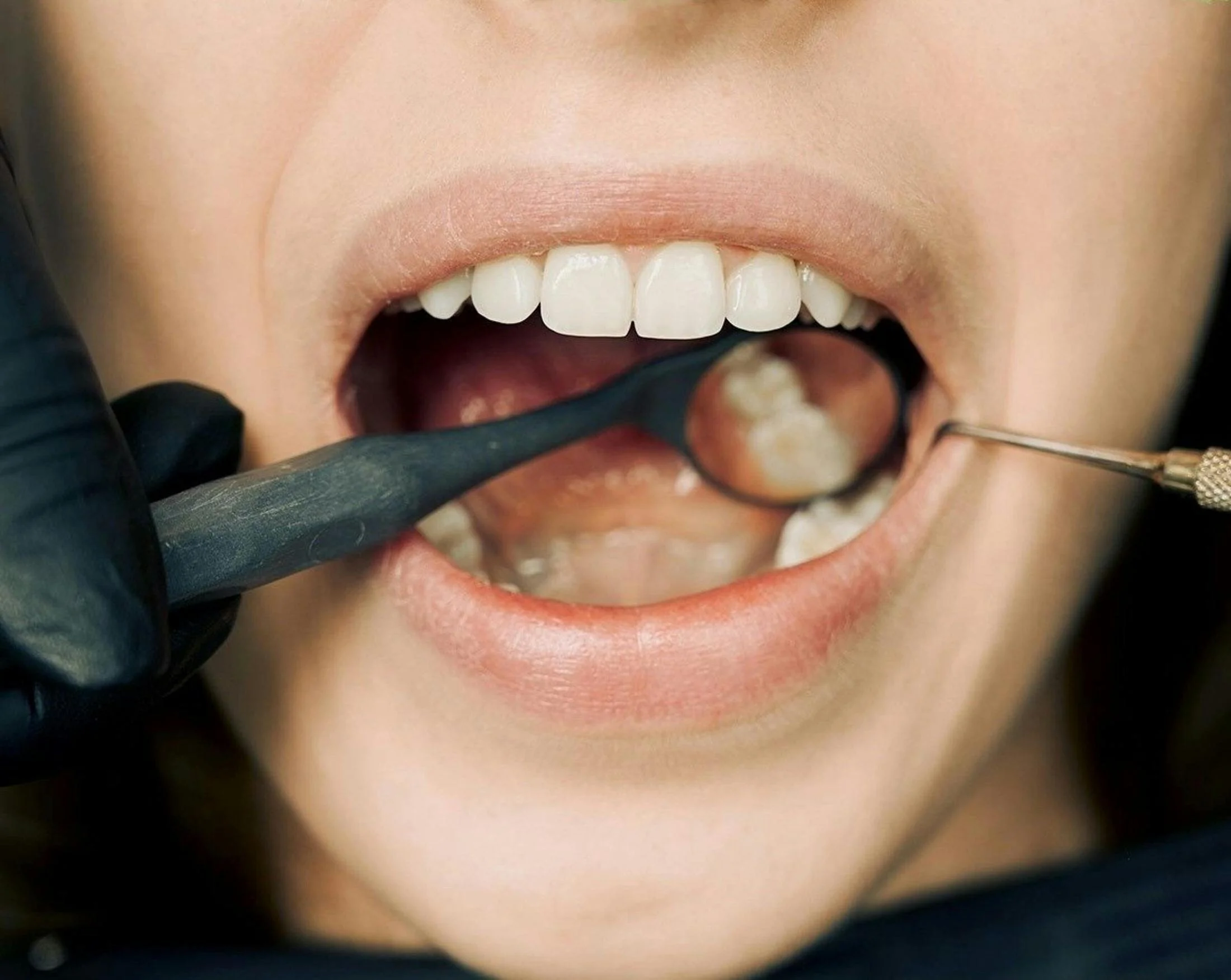
Brackets are bonded and the first wire placed. It takes an hour or two, is not painful, and you eat softly for a few days.
-

Adjustments and retention
Short visits every six to ten weeks. When the braces come off, retainers hold the result, and that part is for life.

Living with braces
Nothing here is a surprise if you know it in advance, which is why we go through all of it before you commit.
Does braces hurt?
Fitting does not. The following three or four days ache, and teeth feel tender when you bite. Paracetamol and soft food handles it. Each adjustment afterwards is milder than the first.
What you cannot eat with braces?
Hard and sticky things break brackets: whole apples, crusty bread, nuts, hard lollies, chewing gum, ice. Cut food up rather than biting into it and most of the problem disappears.
Braces Cleaning
Brushing takes longer and matters more, because plaque left around brackets marks the enamel permanently. An interdental brush and a fluoride mouthwash do most of the work.
Braces & sport?
Carry on. A mouthguard made to fit over braces is essential for contact sport, and we can arrange one at the fitting appointment.
Music and speech
Wind and brass players adapt within a couple of weeks. Speech is normal within days. Wax over any bracket that rubs while the mouth settles.
If something breaks
Call us here. Most breakages can wait until the next visit, and the ones that cannot are seen quickly. It is not an emergency and it is not your fault.
-

"Catherine Porter is amazing. I had braces from her when I was younger, she fixed my teeth and I always get compliments on them! I’ve been going back for checkups and she’s always so lovely and understanding. I highly recommend her and her practice!"
ERIN
-

"Catherine Porter did a great job for my 14 years old son....just a few weeks ago took the braces off and now we can see his very beautiful teeth and smile. Many thanks Catherine and her lovely team."
NAIEREH
-

"Best orthodontist in the town, Dr Catherine and her team are caring and professional. I am very happy with the result!"
JOYCE
-

"Outstanding. Had a very nervous 11 year old with complex dental needs. Having had a difficult experience at another orthadontist, Catherine's approach was amazing. My daughter had her braces fixed with no dramas! Highly recommend."
EMMA
What braces cost
Every fee is all inclusive. It covers the braces, every adjustment appointment, removal, your retainers and aftercare. There is nothing added at the end.
-
Average Price
-
$270
-
$0,000 – $0,000
-
$0,000 – $0,000
-
Interest free, across treatment
Your exact fee depends on the complexity of your case and you will have it in writing before anything begins.
Some health insurance policies include a one-off orthodontic benefit, more often for children than adults. Cover varies between providers, so ask your insurer about orthodontic benefits specifically before you start.

Frequently
asked questions
-
Most full courses run eighteen to twenty four months. Simple crowding in one arch can finish inside a year, while cases involving impacted teeth or significant bite correction can run beyond two. Catherine will give you an estimated range at your assessment and update it as treatment progresses.
-
Most full treatment starts between ten and thirteen, once enough adult teeth are through. A first assessment around age eight or nine is worth having, because a few problems, particularly crossbites and impacted canines, are far easier to deal with while the jaw is still growing. Most children assessed at that age need nothing yet.
-
No. Teeth move at any age as long as the gums and bone are healthy, and a good share of the cases treated here are adults. Adult treatment can take slightly longer because bone remodels more slowly, and it often needs coordinating with your dentist or periodontist, which we arrange.
-
Sometimes, though far less often than a generation ago. Where crowding is severe, taking teeth out can give a more stable result and a better facial profile than expanding an arch beyond what the bone will hold. Catherine will explain the reasoning and the alternatives if it applies to you.
-
Yes, and this is the part people underestimate. Teeth drift for the rest of your life, so retention is not the end of treatment, it is the maintenance of it. Most patients have a fixed wire behind the front teeth plus a removable retainer worn at night. Retainers and the first year of aftercare are included in your fee.
-
No. You can book an assessment directly. Many patients come on their dentist's recommendation, but a referral is not required in New Zealand and makes no difference to how you are treated.
Still got a question?
Ask at your assessment, or call the practice on 09 522 2767.

Dr Catherine Porter
Catherine is a specialist orthodontist and Vice President of the New Zealand Association of Orthodontists, with twenty-two years of fitting braces for Auckland children, teens and adults.



Find out whether braces are the right answer
A forty five minute assessment with Catherine, including imaging and a digital scan. You leave with a written plan and a full quote, and no obligation to start.